
 +86-18750595100



Copyright © 2025 Fujian Xinyun Machinery Development Co.,Ltd. All rights reserved. Site Map


Time: 2026-05-26
For tissue paper manufacturers planning a new towel paper production line, one of the first major decisions is whether to choose an automatic or semi-automatic system.
Both options are widely used in the tissue converting industry, but the right choice depends on several practical factors, including labor cost, production target, factory size, investment budget, and long-term expansion plans.
In many developing markets, semi-automatic towel paper machines are still highly competitive because they reduce initial investment costs. In contrast, fully automatic production lines are becoming increasingly popular in regions where labor costs and production efficiency requirements are higher.
This article explains the practical differences between automatic and semi-automatic towel paper production systems and helps tissue manufacturers choose the most suitable solution for their factory.
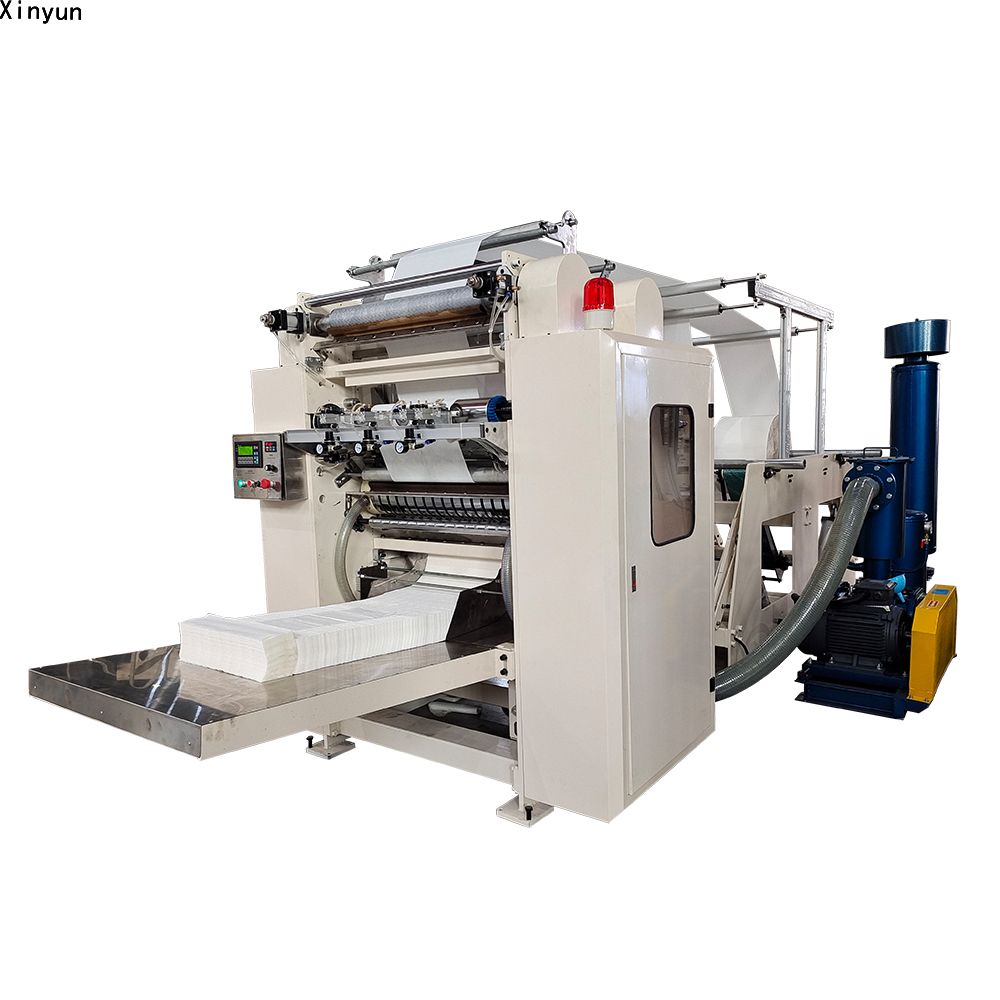
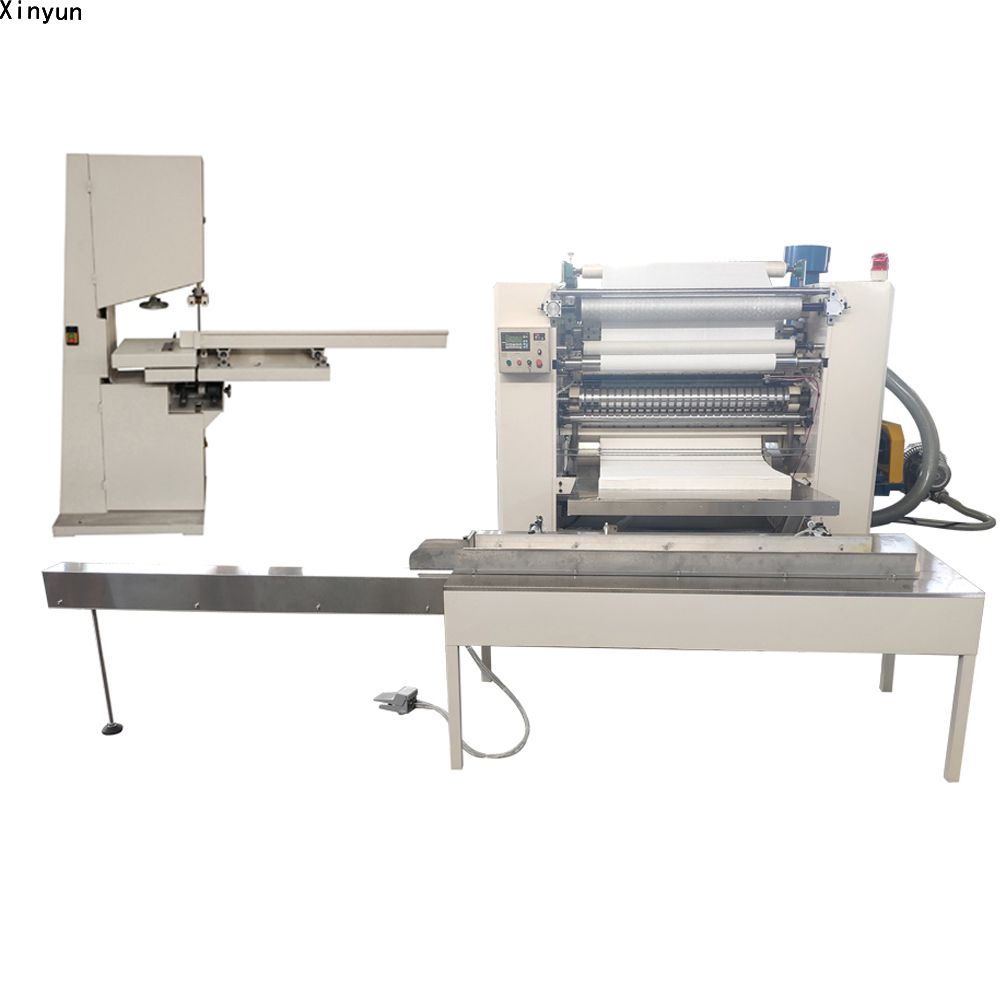
A semi-automatic towel paper production line usually combines automatic rewinding or embossing processes with manual handling during cutting, transfer, or packaging stages.
These production lines are commonly used for:
Kitchen towel paper
Hand towel paper
Small toilet paper production
Startup tissue converting factories
Compared with fully automatic systems, semi-automatic lines typically require:
Lower equipment investment
More labor participation
Simpler installation
Easier maintenance
For many first-time tissue paper investors, this type of configuration helps reduce startup risk.
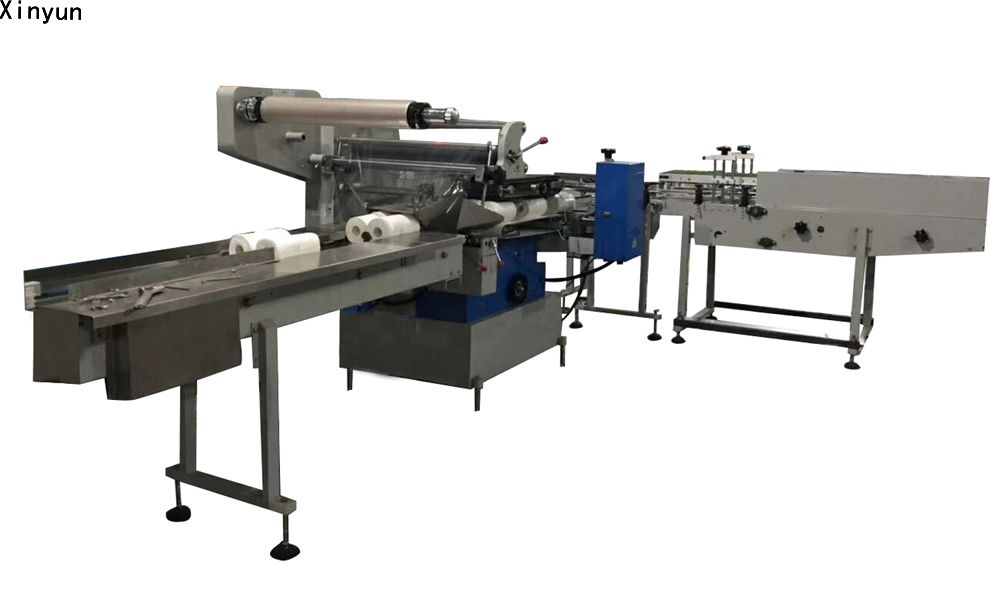
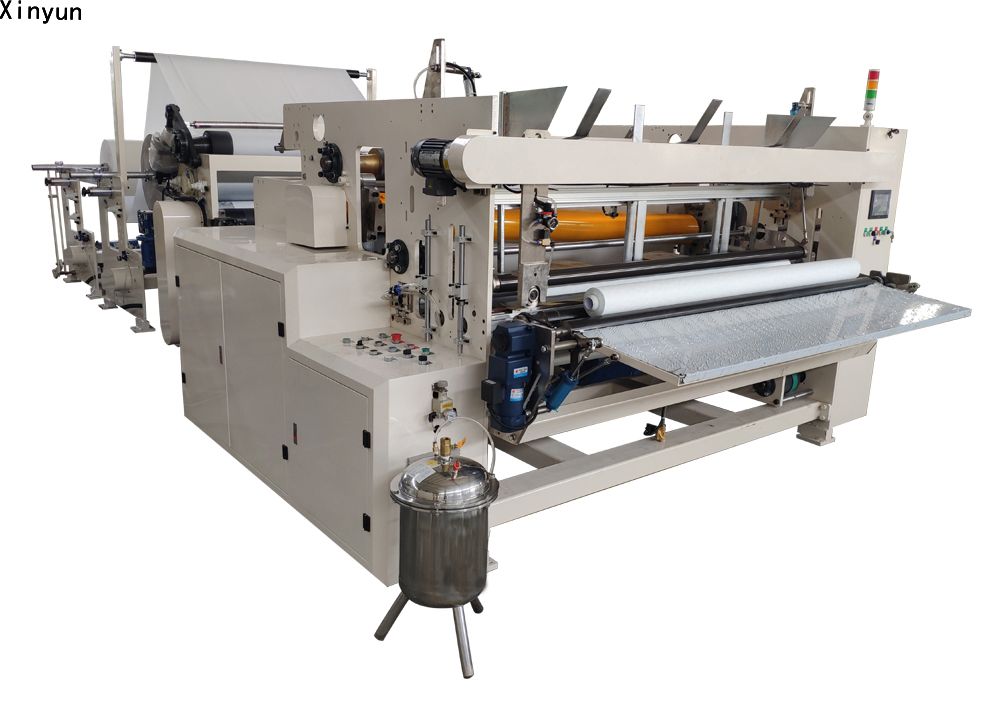
An automatic towel paper production line integrates multiple production stages into a continuous workflow.
Depending on the configuration, the line may include:
Automatic rewinding
Automatic embossing
Automatic glue lamination
Automatic log cutting
Automatic conveying
Automatic packaging systems
These systems are designed for higher production efficiency and reduced manual intervention.
Fully automatic production lines are more commonly used by:
Large tissue converters
Export-oriented factories
High-output manufacturers
Factories facing rising labor costs
One of the biggest differences is investment budget.
Semi-automatic lines generally require lower startup capital, making them suitable for:
Small factories
New investors
Developing markets
Businesses testing local demand
Automatic lines require higher initial investment but provide stronger long-term production efficiency.
For many customers, the decision depends on balancing short-term budget and long-term expansion goals.
Semi-automatic systems require more operators during:
Material handling
Log transfer
Packaging
Finished product movement
In markets where labor cost remains relatively low, this is often acceptable.
However, in regions where labor costs continue increasing, automatic production lines help reduce dependency on manual operation.
Automatic lines usually provide:
Higher running speed
Better production consistency
Reduced downtime
More stable packaging performance
For factories targeting supermarket supply chains or export markets, stable automatic production often becomes increasingly important.
Semi-automatic machines are mechanically simpler and easier to maintain.
This makes them attractive for:
Small workshops
New tissue factories
Areas with limited technical support resources
Automatic systems contain more sensors, electrical components, and synchronization systems, requiring more experienced technical management.
In many African countries, semi-automatic towel paper production lines remain very popular.
The reasons are practical:
Lower labor costs
Lower startup investment
Flexible production scale
Easier operator training
Many startup factories first purchase semi-automatic lines and later upgrade certain sections, such as automatic cutting or packaging equipment, after production stabilizes.
This gradual investment approach helps reduce financial pressure during early business stages.
Automatic production lines become more suitable when factories face:
Large production demand
Rising labor costs
Export-quality requirements
Long-term expansion plans
Higher packaging consistency requirements
For larger factories, automatic systems also improve production management and reduce long-term labor dependency.
In real projects, many tissue manufacturers do not upgrade everything at once.
Instead, they gradually automate key production stages.
For example:
Start with semi-automatic rewinding
Add automatic log saw cutting later
Upgrade to automatic packaging systems as production grows
This flexible expansion strategy is common among growing tissue paper businesses.
Before purchasing equipment, tissue manufacturers should evaluate several practical questions:
Higher output usually requires more stable automation systems.
In low-labor-cost markets, semi-automatic systems may provide better investment return initially.
Factories planning rapid expansion often prefer automatic systems earlier.
Retail and export markets usually require more consistent packaging and product quality.
There is no universal answer to whether automatic or semi-automatic towel paper production is better.
The best choice depends on your:
Market conditions
Budget
Labor situation
Production goals
Expansion strategy
For many tissue paper manufacturers, the most successful investment is not necessarily the most expensive production line, but the one that matches real business needs and local operating conditions.
Whether you are planning a startup tissue factory or expanding an existing converting line, selecting the right towel paper production system early can help improve long-term production efficiency and investment stability.
Yes. Many startup factories choose semi-automatic systems because they require lower investment and are easier to operate and maintain.
Yes. Many customers gradually add automatic cutting, conveying, or packaging systems as production demand increases.
Automatic production lines generally reduce long-term labor requirements, especially in markets with high labor costs.
Semi-automatic systems are still widely used in many African markets because they provide lower startup cost and flexible production operation.
Yes. We provide customized towel paper production solutions based on factory size, production capacity, automation requirements, and local market conditions.

Professional Manufacturer of Tissue Paper Making Machine.





By continuing to use the site you agree to our privacy policy.