
 +86-18750595100



Copyright © 2025 Fujian Xinyun Machinery Development Co.,Ltd. All rights reserved. Site Map


Time: 2026-07-10
The toilet paper market in Africa is growing at an annual rate of 6% to 8%, driven by urbanization and rising hygiene awareness. Choosing the right toilet paper making machine determines your production capacity, product quality, and long-term profitability. This guide covers the key factors African entrepreneurs and investors need to evaluate before purchasing a toilet paper production line.
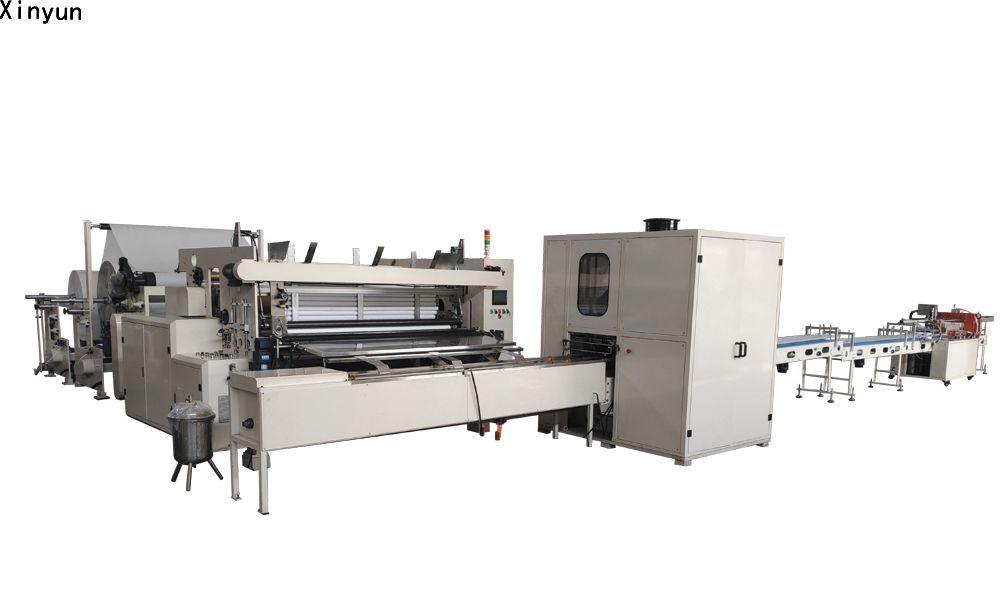
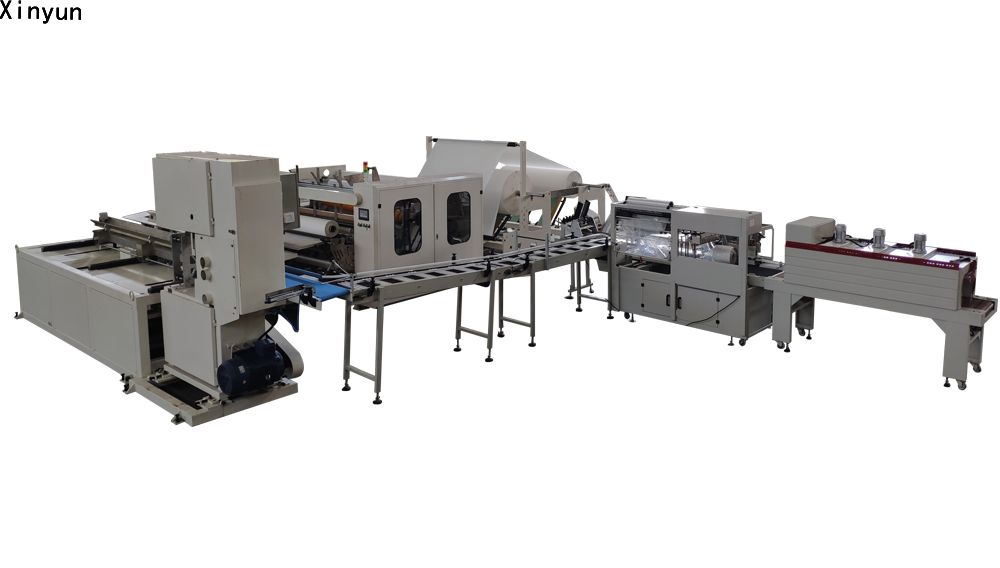
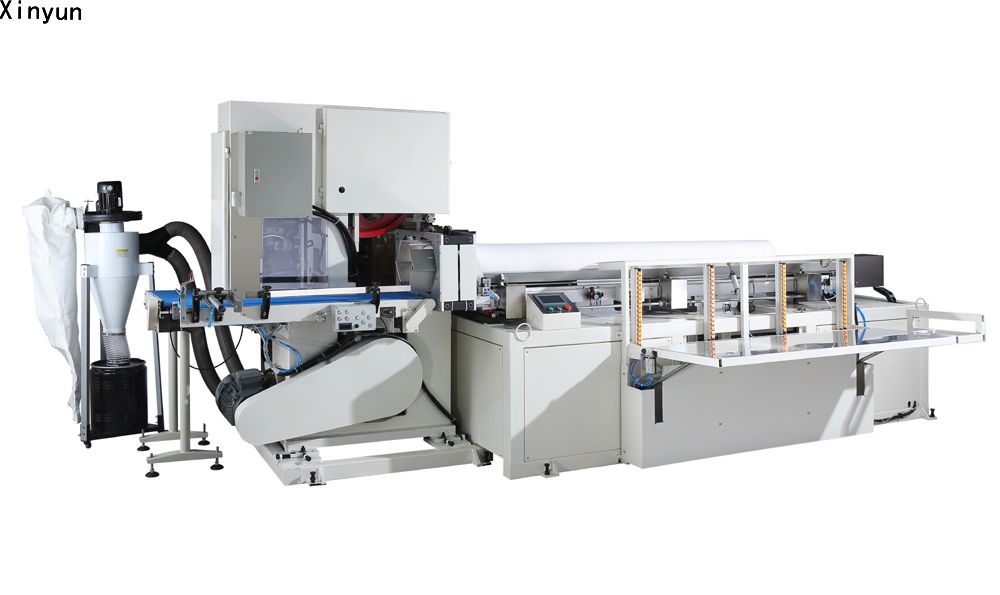
A toilet paper machine with a parent roll width of 1090mm to 1575mm is suitable for small-scale operations. These machines produce 1 to 3 tons of finished products per day and require a workshop area of 150 to 250 square meters. The initial investment for a complete production line — including a rewinding machine, log saw cutter, and packing machine — ranges from USD 15,000 to USD 40,000. This scale works well for local distributors in cities like Lagos, Nairobi, or Accra where demand covers a 30 to 50 kilometer radius.
A machine with a parent roll width of 1760mm to 2400mm delivers 3 to 8 tons of output per day. These machines require a workshop space of 300 to 500 square meters. The total investment ranges from USD 40,000 to USD 100,000. Medium-scale production suits regional suppliers targeting multiple cities or serving hotel chains and institutional buyers.
Industrial-scale machines with a working width of 2800mm produce 8 to 15 tons per day. These fully automated lines require 500+ square meters of factory space and professional electrical installations. The investment starts at USD 100,000 and can exceed USD 250,000 for a complete high-speed production line with automatic packaging integration.
The parent roll width determines the maximum paper width your machine can process. Xinyun Machinery's XY-TQ-B series supports parent roll widths from 1200mm to 2800mm, with the most popular options being 1575mm, 1760mm, and 2400mm for African markets. A wider parent roll allows higher production output per hour but requires a larger workshop and higher power consumption.
Toilet paper rewinding machines typically operate at speeds between 100 and 230 meters per minute. Entry-level machines run at 100 to 150 m/min, while high-speed models like the XY-TQ-B reach 180 to 230 m/min. For African markets where power supply can be unstable, a machine with variable frequency drive (VFD) is recommended as it adjusts speed based on available power.
The machine you choose determines the range of final products you can offer. Key specifications include:
Finished product diameter: 70mm to 280mm (standard jumbo rolls vs compact consumer rolls)
Core diameter options: 38mm to 76mm (to fit different dispenser standards)
Perforation distance: adjustable from 90mm to 300mm depending on blade configuration
Dual embossing (steel-to-steel or steel-to-rubber) adds texture and softness to toilet paper. Single embossing is standard for economy lines, while double embossing produces premium quality paper preferred by hotels and commercial clients. Xinyun's machines support both edge embossing and full embossing configurations.
A toilet paper production line requires 3-phase power supply. Power consumption ranges from 7.5KW for small machines to 25KW for large production lines. In regions with unstable power grids, installing a voltage stabilizer and backup generator is essential. Xinyun Machinery can customize machine control systems to match local voltage standards (220V/380V/415V, 50Hz/60Hz).
Pneumatic systems require an air compressor with a minimum pressure of 5 kg/cm². A 3HP air compressor is sufficient for most production lines. Ensure your facility has adequate compressed air capacity before installation.
Some high-speed embossing units require water cooling. Check with your supplier whether the machine you select needs water circulation. Most standard toilet paper rewinding machines are air-cooled and do not require water supply.
Semi-automatic machines require 3 to 5 operators per shift. Workers manually load parent rolls, monitor the rewinding process, and transfer logs to the cutting machine. Semi-automatic lines cost 20% to 30% less than fully automatic equivalents. They are suitable for markets where labor costs are low and skilled technicians are available.
Fully automatic machines require 1 to 2 operators per shift. Key automatic features include:
Automatic core feeding system: inserts cores without manual intervention
Automatic log pusher: ejects finished logs and starts the next cycle
PLC touchscreen control: allows one operator to manage the entire line
Automatic edge trimming and glue spraying: reduces waste and improves consistency
Xinyun's XY-TQ-B series uses international standard PLC control with touchscreen interface, enabling fault diagnosis and parameter adjustment without specialized programming knowledge.
Request a detailed operation manual and, ideally, a video guide for machine setup, operation, and maintenance. Xinyun Machinery provides a DVD operation video with every machine delivery.
Confirm that the supplier offers remote troubleshooting via video calls or messaging. Response time should be within 24 hours. Xinyun Machinery commits to replying to all customer inquiries within 24 hours.
Check whether the supplier can send a technician to your factory for installation and training. Xinyun offers on-site installation support (buyer covers round-trip air tickets, visa, accommodation, and meals). This service is particularly valuable for first-time buyers in Africa setting up their first production line.
Ensure critical spare parts — perforation blades, embossing rollers, pneumatic valves, and PLC modules — are readily available. Some suppliers offer a two-year warranty and lifetime maintenance support. Xinyun provides a two-year free guarantee and lifetime maintenance on all machines.
Item | Cost Range (USD) |
Rewinding machine | 8,000 - 50,000 |
Log saw cutting machine | 3,000 - 15,000 |
Packing machine | 5,000 - 25,000 |
Air compressor | 500 - 2,000 |
Voltage stabilizer | 1,000 - 3,000 |
Workshop preparation | 3,000 - 15,000 |
Shipping and customs | 3,000 - 10,000 |
Total (small to medium line) | USD 23,500 - USD 120,000 |
Choosing a machine based on price alone. Low-cost machines (under USD 8,000) often use thinner steel frames, standard bearings instead of sealed bearings, and basic motors without VFD. These machines break down frequently in continuous production.
Underestimating power requirements. An underpowered workshop leads to production stoppages. Calculate total power consumption before selecting and installing equipment.
Skipping operator training. Even automatic machines require skilled operators. Budget for 1 to 2 weeks of training before full production begins.
Not considering paper quality variation. African markets use a wide range of parent roll quality (13 gsm to 22 gsm). Ensure your machine can handle the specific paper weight you plan to use.
Selecting the right toilet paper making machine for Africa depends on your target production scale, available power infrastructure, automation requirements, and after-sales support expectations. For small to medium businesses, a machine with 1575mm to 1760mm parent roll width, 150 to 200 m/min speed, automatic core feeding, and PLC control offers the best balance of cost and capability.
Xinyun Machinery has exported toilet paper production lines to multiple African countries including Nigeria, Kenya, Ghana, and Ethiopia. Contact Xinyun Machinery for a customized equipment quotation based on your specific production requirements and budget.

Professional Manufacturer of Tissue Paper Making Machine.





By continuing to use the site you agree to our privacy policy.