
 +86-18750595100



Copyright © 2025 Fujian Xinyun Machinery Development Co.,Ltd. All rights reserved. Site Map


Time: 2026-04-13
As global demand for tissue products continues to grow, many manufacturers are looking for ways to expand their Tissue Paper Manufacturing business. Scaling successfully requires more than increasing output — it involves strategic planning, equipment upgrades, workflow optimization, and smart investment decisions.
If you are planning to scale your business, understanding how to expand capacity efficiently while controlling costs is critical. In this guide, we share expert insights on how to achieve sustainable growth through smart paper machine scaling and production line optimization.
Before investing in new equipment, analyze:
Local and export market demand
Product categories with highest growth (toilet paper, napkin, facial tissue, hand towel, pocket tissue)
Packaging preferences
Competitive pricing levels
Scaling without demand forecasting can lead to overcapacity and financial pressure. Expansion should be based on real market data.
Many small manufacturers start with separate machines for rewinding, folding, cutting, and packing. As demand grows, this structure often causes:
Production bottlenecks
Labor inefficiencies
Higher material loss
Increased downtime
One of the most effective strategies in paper machine scaling is upgrading to a fully integrated production line that combines:
Rewinding or folding systems
Automatic log saw cutting
Automatic stacking
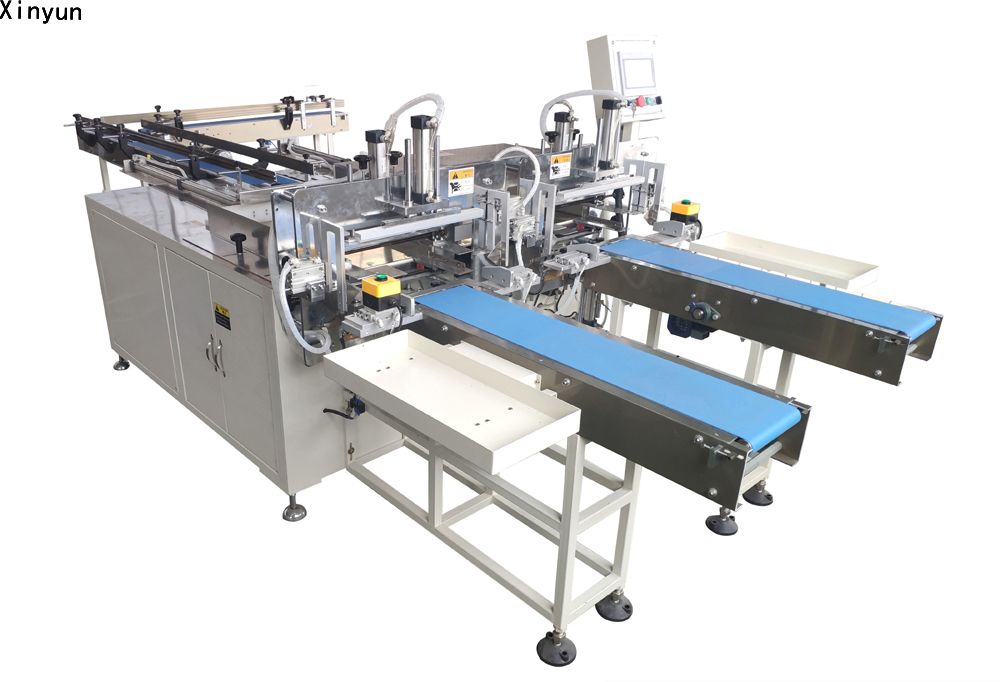
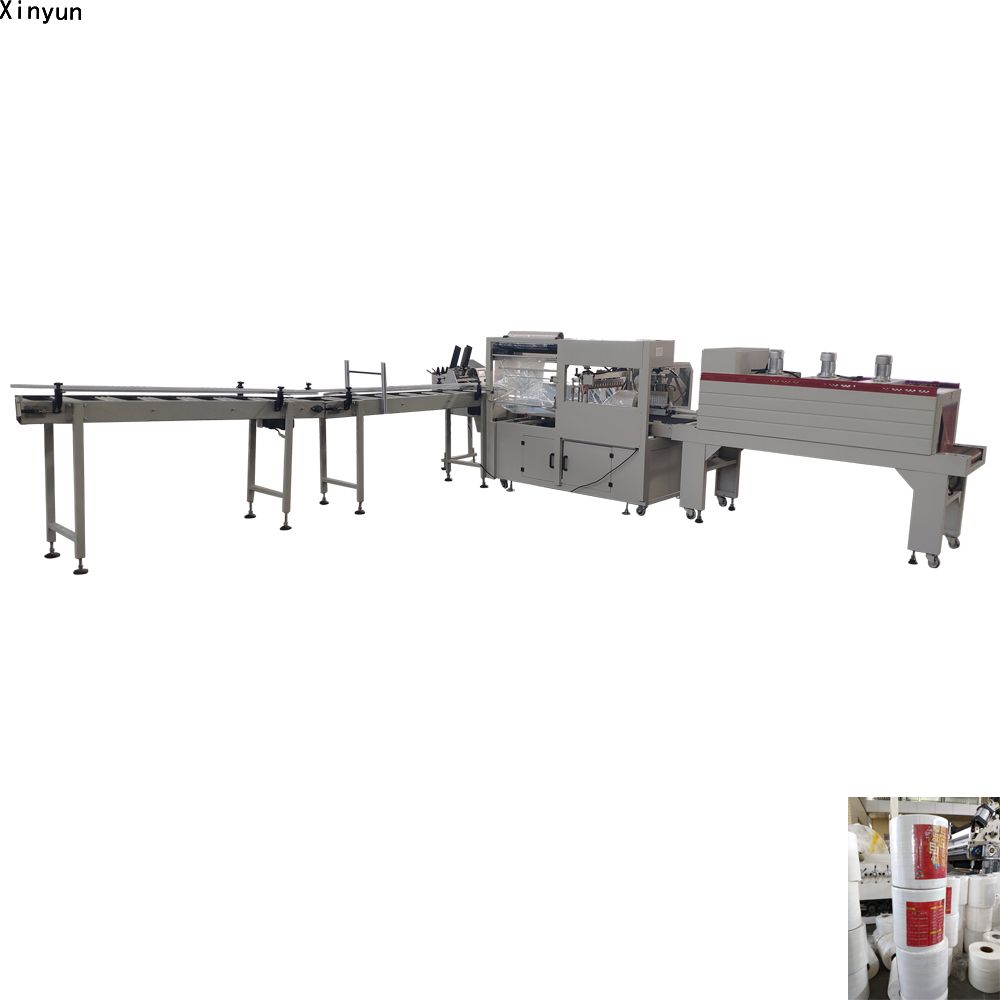
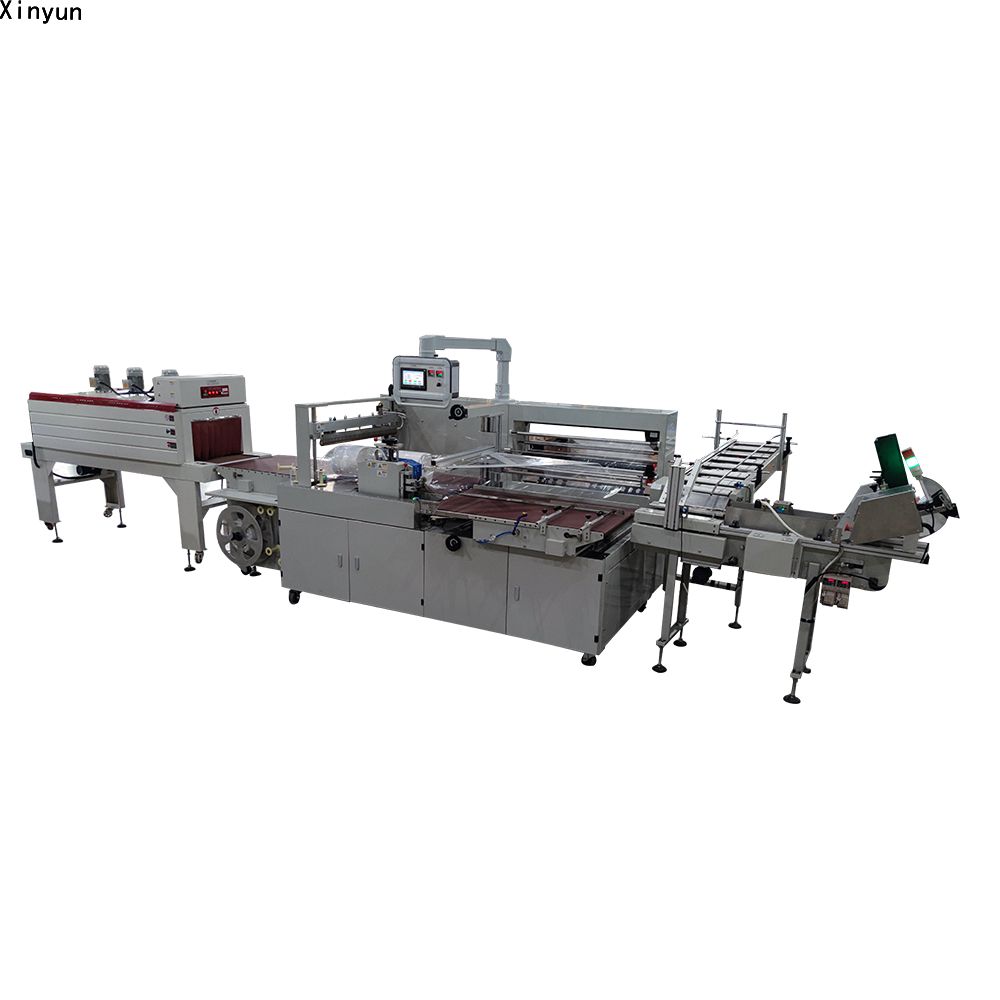
Automatic packaging
Carton packing solutions
Integrated systems reduce manual handling and significantly improve overall efficiency.
As businesses scale, labor management becomes more complex and expensive.
Modern Tissue Paper Manufacturing facilities improve scalability by:
Using automatic counting and stacking systems
Installing high-speed cutting machines
Integrating automatic shrink wrapping or soft packing systems
Reducing manual transfer between machines
Higher automation means:
Lower long-term labor cost
More stable product quality
Safer working environment
Easier management
Automation makes expansion sustainable rather than labor-dependent.
Scaling production is not only about buying more machines. Layout optimization plays a major role in improving productivity.
Key considerations include:
Smooth material flow from jumbo roll to final packing
Reduced transport distance between machines
Proper space allocation for finished goods
Efficient access for maintenance
A well-designed layout improves production speed and reduces internal handling costs.
When scaling, production speed must increase — but stability is even more important.
High-speed equipment should offer:
Stable running at maximum speed
Precision cutting accuracy
Consistent folding quality
Minimal vibration
Long service life
Unstable high-speed machines create more downtime and maintenance cost. Reliable equipment ensures long-term scalability.
Another key growth strategy in Tissue Paper Manufacturing is product diversification.
Instead of producing only one type of tissue, manufacturers can expand into:
Adding new production lines allows businesses to serve different markets and reduce risk.
Choosing flexible machines that allow specification adjustments supports long-term business expansion.
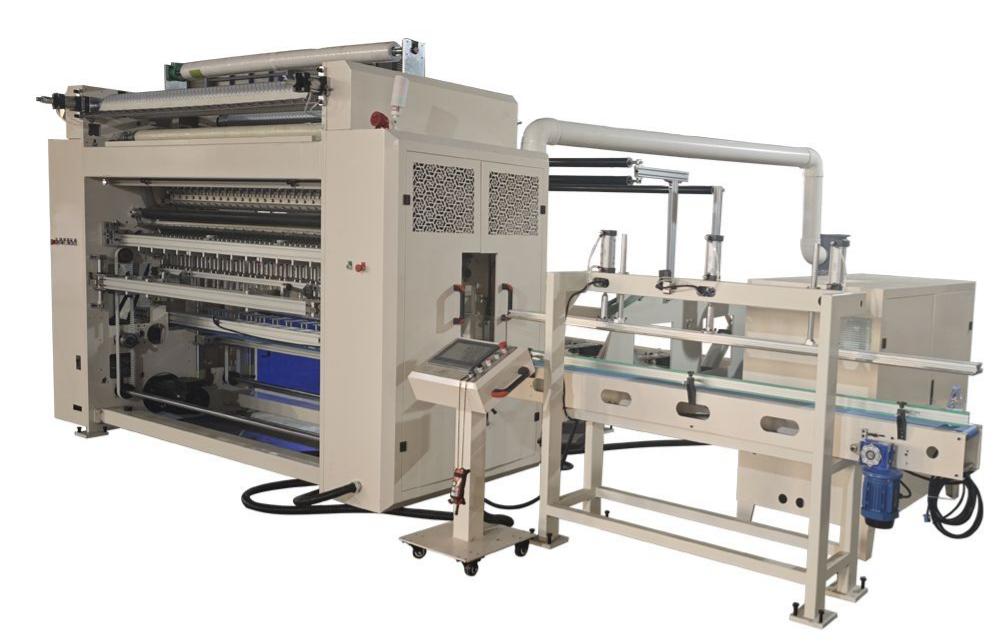
When purchasing equipment, think beyond current needs.
Ask:
Can the machine handle future speed upgrades?
Is it compatible with automatic packaging systems?
Can additional modules be added later?
Does it support different product sizes?
Smart paper machine scaling means choosing equipment that grows with your business.
Scaling is not just about producing more — it’s about producing smarter.
A successful expansion strategy should achieve:
Higher output
Lower unit production cost
Improved product consistency
Reduced labor dependency
Stronger competitive advantage
Manufacturers who scale strategically position themselves for long-term profitability in a competitive global market.
Expanding your Tissue Paper Manufacturing business requires careful planning, modern automation, and reliable equipment solutions.
By:
Upgrading to integrated production lines
Increasing automation levels
Optimizing factory layout
Diversifying product categories
Investing in scalable machinery
You can successfully scale your business while maintaining efficiency and product quality.
If you are planning to expand your production capacity or invest in new tissue paper machinery, contact us to explore complete production line solutions tailored to your growth strategy.

Professional Manufacturer of Tissue Paper Making Machine.





By continuing to use the site you agree to our privacy policy.