
 +86-18750595100



Copyright © 2025 Fujian Xinyun Machinery Development Co.,Ltd. All rights reserved. Site Map


Time: 2026-04-13
In today’s competitive tissue market, product differentiation is no longer optional. Whether it is toilet paper, napkin tissue, facial tissue, or hand towels, customers expect not only softness and strength but also attractive design and premium texture.
This is where Embossing Tissue Paper technology plays a crucial role.
Embossing is not just a decorative process — it directly impacts tissue paper quality, product performance, and brand value. In this article, we explore how embossing enhances tissue products and how selecting the right paper embossing machines can help manufacturers meet evolving market demands.
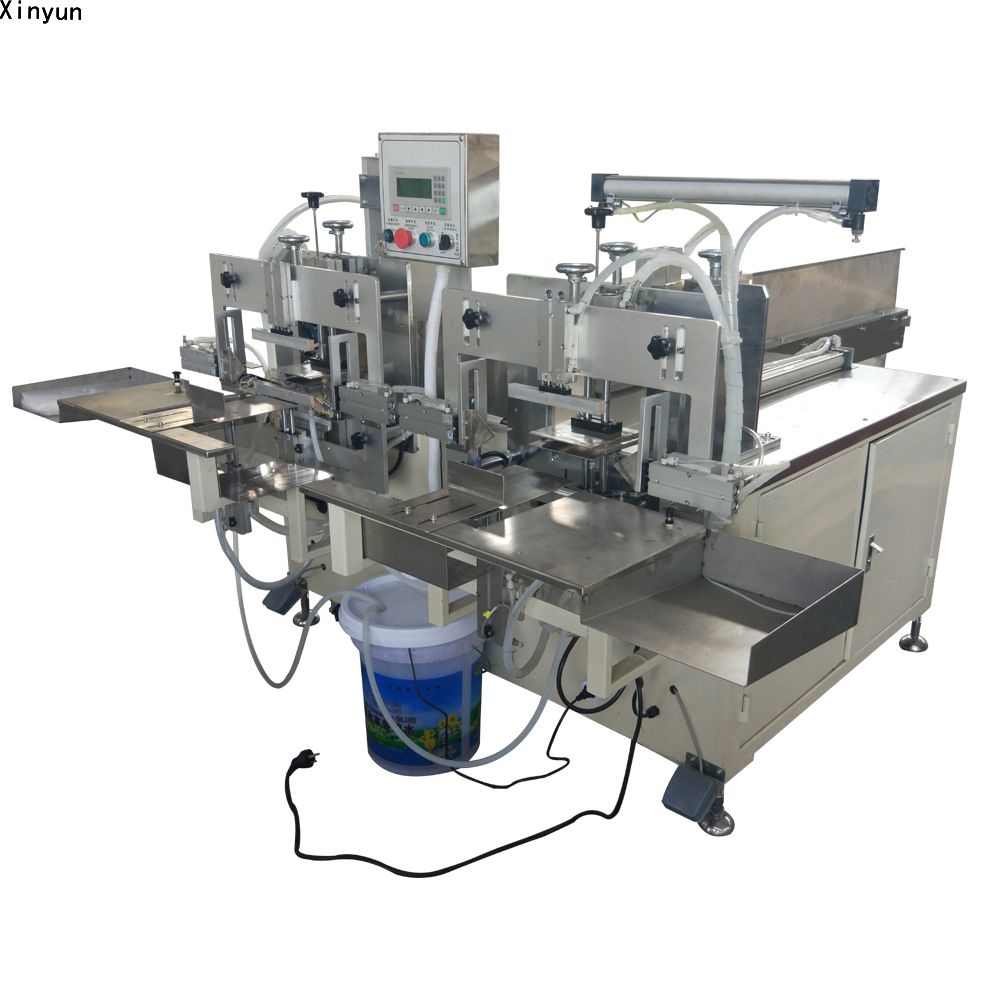
Embossing is a mechanical process that presses patterns into tissue paper using specially designed steel or rubber rollers. These engraved rollers create raised designs on the surface of the tissue.
Depending on the product type, embossing can be applied to:
Toilet paper
Napkin tissue
Facial tissue
Hand towel paper
Pocket tissue
The embossing pattern can be decorative, functional, or both.
Embossing increases the surface area of tissue paper, creating a softer hand feel. The raised pattern gives consumers a perception of higher quality and comfort.
For facial tissue and napkin products, this tactile improvement directly influences purchasing decisions.
Embossed patterns create micro air pockets between layers. This structure enhances liquid absorption and improves wiping performance.
For kitchen towels and hand towels, embossing significantly improves functionality.
In multi-ply tissue products, embossing helps bond layers together. This improves structural stability without excessive glue use.
The result is stronger yet softer finished products.
Modern consumers associate embossed patterns with premium quality.
Custom designs allow manufacturers to:
Differentiate products
Create brand identity
Produce customized patterns for specific markets
Offer luxury tissue lines
Embossing adds perceived value without significantly increasing material cost.
Different markets require different embossing styles. Common types include:
Used for toilet paper rolls to secure ply bonding along the edges.
Covers the entire sheet surface, commonly used in napkin and hand towel production.
Improves strength and bulk for high-end products.
Creates decorative patterns to enhance product appearance.
Selecting the appropriate embossing method depends on product positioning and target market.
The performance of embossing directly depends on machine precision and stability.
When selecting paper embossing machines, manufacturers should consider:
Roller engraving precision
Stable pressure control
Accurate alignment
Adjustable embossing depth
Compatibility with different tissue types
Easy pattern replacement
High-quality embossing units ensure:
Consistent pattern clarity
Minimal paper breakage
Stable operation at high speed
Reduced maintenance cost
Reliable embossing systems improve both production efficiency and final product consistency.
As tissue markets become more competitive, differentiation is key.
Embossing allows manufacturers to:
Offer premium product lines
Target hospitality and commercial sectors
Customize products for export markets
Increase retail shelf appeal
By investing in advanced embossing technology, tissue producers can upgrade product positioning and improve profitability.
Embossing is far more than a decorative process — it is a critical factor in enhancing tissue paper quality.
Through improved softness, absorbency, strength, and visual appeal, embossing tissue paper adds real functional and commercial value. Choosing the right paper embossing machines ensures stable performance, consistent quality, and long-term competitiveness.
For manufacturers looking to upgrade their tissue production lines or introduce high-value product categories, advanced embossing solutions are essential.
If you are planning to enhance your toilet paper, napkin, facial tissue, or towel paper production line, contact us to explore professional embossing machine solutions designed for modern tissue manufacturing.

Professional Manufacturer of Tissue Paper Making Machine.





By continuing to use the site you agree to our privacy policy.