
 +86-18750595100



Copyright © 2025 Fujian Xinyun Machinery Development Co.,Ltd. All rights reserved. Site Map


Time: 2026-09-14
Toilet paper and kitchen towel (also called towel paper or hand towel) look similar on a roll but require different machinery settings, raw materials, and converting steps. This article explains the key process differences between a Toilet Paper Machine and a Kitchen Towel Paper Machine so buyers can choose the correct line. Xinyun Machinery has built both lines for customers in Africa, South America, and the Middle East, and details the comparison below.
A toilet paper machine processes parent rolls at 13 to 22 gsm for soft, low-strength sheets designed to disintegrate in water. A kitchen towel machine processes heavier parent rolls at 20 to 45 gsm for strength and wet resistance. The higher basis weight of towel paper changes tension, embossing pressure, and drying requirements on the line.
Toilet paper usually runs 1 to 3 plies of 13 to 22 gsm tissue to balance softness and sheet count. The fiber can be virgin or recycled, with lower wet strength so the roll breaks down in plumbing. This specification keeps the rewinding tension low and the perforation easy to tear.
Kitchen towel uses 1 to 2 plies of 20 to 45 gsm paper with higher wet strength and absorbency. The heavier sheet resists tearing when wet, which is the core function of the product. Towel lines must handle the extra caliper without crushing the embossed pattern.
Toilet paper relies on multi-ply lamination and decorative embossing to improve perceived softness and bulk. Kitchen towel uses deep embossing that creates air pockets for absorbency rather than softness. The embossing roll pattern is therefore different between the two lines even when the frame looks the same.
Toilet paper embossing uses light pressure to protect a fragile 13 to 22 gsm sheet. Kitchen towel embossing uses higher pressure to lock plies and form absorbent pockets. Running towel paper on a toilet embosser flattens the pattern and lowers performance.
Toilet paper bonds plies with light adhesive or embossing nip only. Kitchen towel bonds plies more firmly so the sheet stays intact when wet. This difference affects glue application and nip settings on the converting line.
Both machines rewind parent rolls into finished rolls, but the finished format and perforation differ by product. Toilet paper is wound as a continuous roll with perforated tear lines for sheet separation. Kitchen towel is wound as a roll or folded stack with stronger perforation for dispensing single sheets.
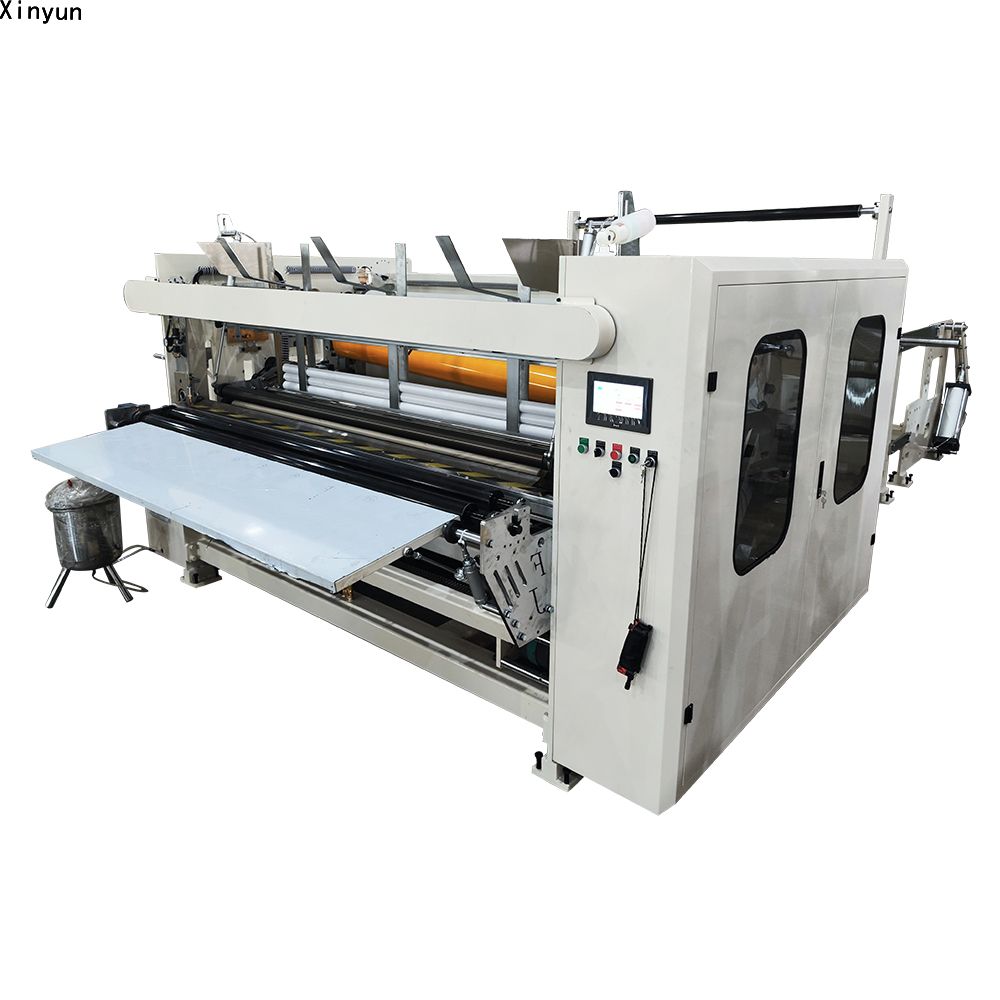
A toilet paper machine produces rolls at parent roll widths from 1200 to 2800mm, then cuts logs and rewinds into finished rolls. Core size, roll diameter, and sheet count are set by the rewinder program. The XY-TQ-B toilet paper machine runs this process at up to 180 to 230 meters per minute.
A kitchen towel machine produces rolls or interfolded stacks with heavier perforation and stronger core. The line often includes a strengthening or creping step absent on toilet lines. Finished towel rolls tolerate more stress, so winding tension is set higher than on toilet lines.
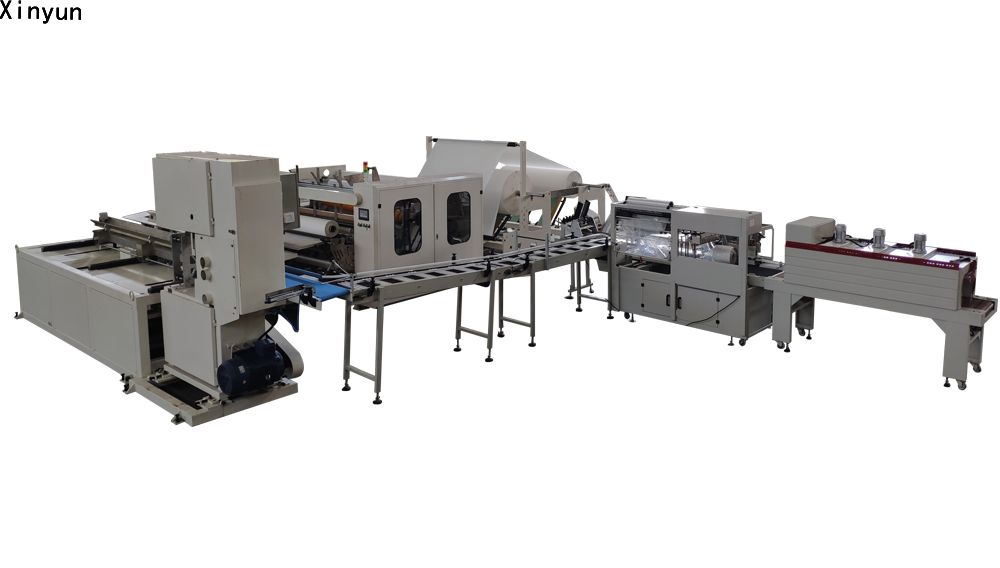
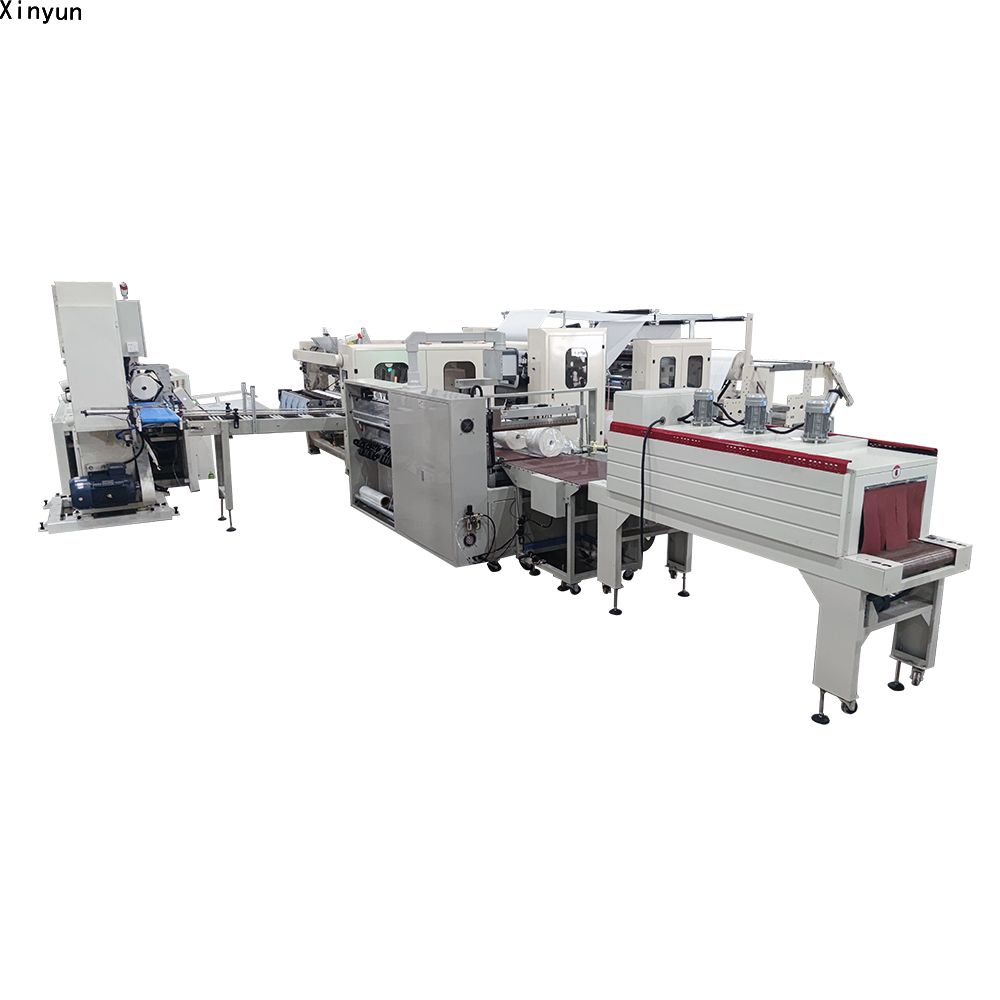
Xinyun Machinery builds both products on the same "toilet paper and kitchen towel" converting platform with the XY-TQ-B family. Both lines share parent roll widths from 1200 to 2800mm and the same rewinder, log saw, and packer structure. The real difference is in basis weight, ply count, and embossing, not in roll width.
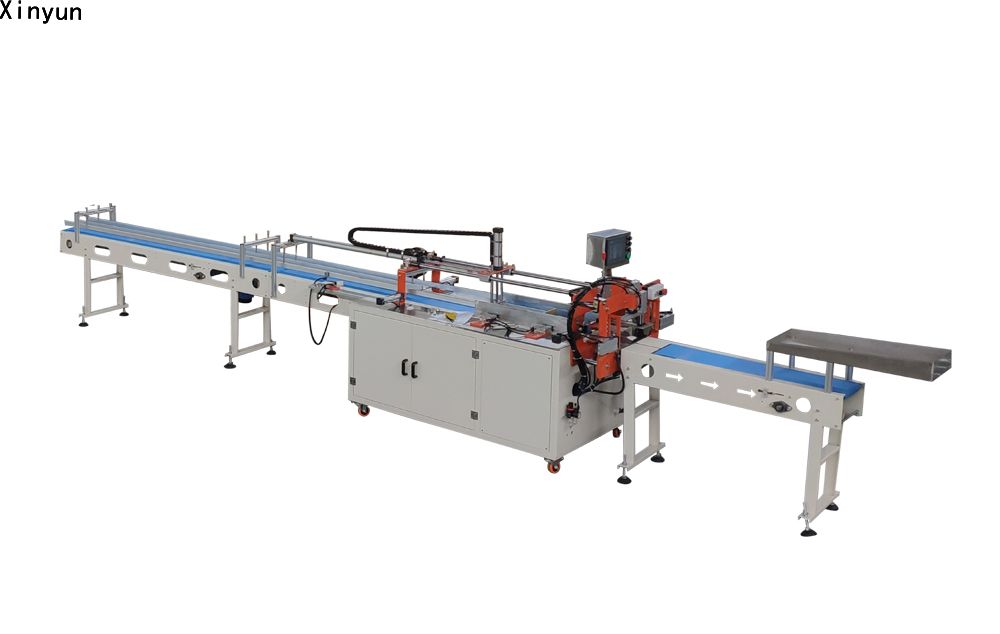
For folded hand towels, Xinyun offers the XY-BT-288 V-fold hand towel machine alongside the main line. The V-fold unit converts towel paper into interfolded single-sheet dispenser packs. Buyers can add this module when the food-service channel needs folded formats.
The XY-TQ-B toilet paper machine reaches up to 180 to 230 meters per minute on automatic configuration. Small businesses in Africa typically run lines in the 100 to 180 meters per minute range for both product types. Entry-level lines produce 1 to 2 tons of finished product per day, scaling to around 5 tons per day on wider automatic machines.
A 1200mm width machine suits startups with limited floor space and a workshop above 100 square meters. Widths above 2000mm require more than 300 square meters for production and storage. Towel lines need extra space for the embossing and strengthening units.
Kitchen towel lines draw more power for deeper embossing and higher tension motors. Toilet lines draw less because the sheet is lighter and the process gentler. Confirm local power capacity before specifying a wide towel paper line.
Toilet paper sells through retail, hospitality, and institutional channels as a daily-consumption item. Kitchen towel sells through household cleaning, food service, and industrial wiping with stronger demand for strength. The two products rarely share the same buyer contract, so most new factories start with one line.
Toilet paper demand is stable and repeats weekly in every market. Kitchen towel demand grows with household income and food-service expansion. Both products fit the African, South American, and Middle Eastern markets where Xinyun operates.
An entry line producing 1 to 2 tons per day covers a local radius of about 50 to 100 kilometers. Wider automatic lines at 5 tons per day extend reach to national distribution. Choose the product your local channel can absorb before scaling.
Buy a toilet paper machine if your market needs high-volume daily-consumption rolls and you want the simplest process. Buy a kitchen towel machine if strength and wet-use performance command a premium in your channel. Xinyun Machinery can supply either line with installation support and operator training.
The rewinder, log saw, and packer share a similar structure, but embossing rolls and tension settings are product-specific. Do not assume one line can switch products without changing embossing and nip parts. Budget for the correct embossing set at the time of purchase.
Start with a 1200mm line at the lower end of the USD 15,000 to 50,000 small-line budget. Add the second product line once monthly volume justifies a wider 2000mm-plus machine. This approach limits early risk while keeping both market options open.
Toilet paper and kitchen towel machines share the same line frame but differ in basis weight, embossing, ply bonding, and finished format. Toilet paper uses 13 to 22 gsm soft sheet at 1 to 3 plies and up to 180 to 230 m/min. Kitchen towel uses 20 to 45 gsm stronger sheet at 1 to 2 plies with deeper embossing. Both run on parent roll widths from 1200 to 2800mm and fit a 1 to 2 tons per day startup at USD 15,000 to 50,000 before scaling to 5 tons per day.
Contact Xinyun Machinery for a customized quote and production line proposal tailored to your market. Tell us your target product and daily output, and we will recommend the correct embossing and rewinding setup with installation support. Get your machine price today.

Professional Manufacturer of Tissue Paper Making Machine.





By continuing to use the site you agree to our privacy policy.