 +86-18750595100









ลิขสิทธิ์ © 2025 บริษัท ฟูเจี้ยน ซินหยุน แมชชีนเนอรี่ ดีเวลลอปเมนต์ จำกัดสงวนลิขสิทธิ์ทุกประการแผนผังเว็บไซต์


เวลา: 2026-05 26-
สำหรับผู้ผลิตกระดาษทิชชู่ที่วางแผนจะสร้างสายการผลิตกระดาษเช็ดมือใหม่ การตัดสินใจครั้งสำคัญประการแรกคือควรเลือกใช้ระบบอัตโนมัติหรือระบบกึ่งอัตโนมัติ
ทั้งสองทางเลือกนี้ใช้กันอย่างแพร่หลายในอุตสาหกรรมการแปรรูปกระดาษทิชชู่ แต่การเลือกที่เหมาะสมนั้นขึ้นอยู่กับปัจจัยหลายประการ เช่น ต้นทุนแรงงาน เป้าหมายการผลิต ขนาดโรงงาน งบประมาณการลงทุน และแผนการขยายธุรกิจในระยะยาว
ในตลาดกำลังพัฒนาหลายแห่ง เครื่องผลิตกระดาษเช็ดมือแบบกึ่งอัตโนมัติยังคงมีความสามารถในการแข่งขันสูง เนื่องจากช่วยลดต้นทุนการลงทุนเริ่มต้น ในทางตรงกันข้าม สายการผลิตแบบอัตโนมัติเต็มรูปแบบกำลังได้รับความนิยมมากขึ้นในภูมิภาคที่มีต้นทุนแรงงานและความต้องการประสิทธิภาพการผลิตสูงกว่า
บทความนี้อธิบายถึงความแตกต่างในทางปฏิบัติระหว่างระบบการผลิตกระดาษเช็ดมือแบบอัตโนมัติและแบบกึ่งอัตโนมัติ และช่วยให้ผู้ผลิตกระดาษทิชชู่เลือกโซลูชันที่เหมาะสมที่สุดสำหรับโรงงานของตนได้
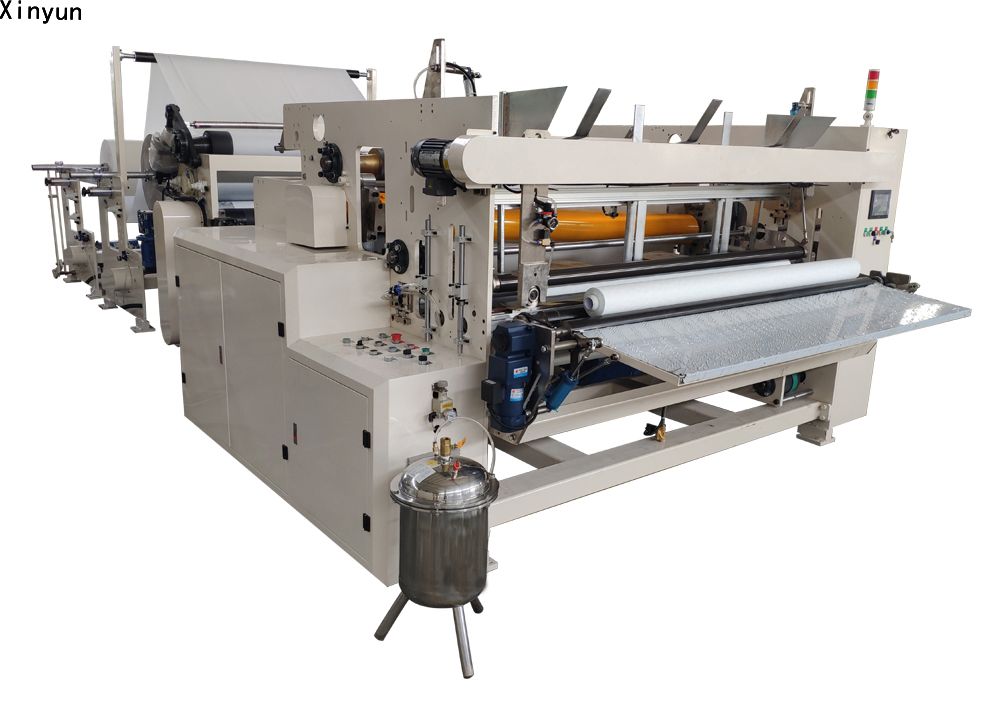
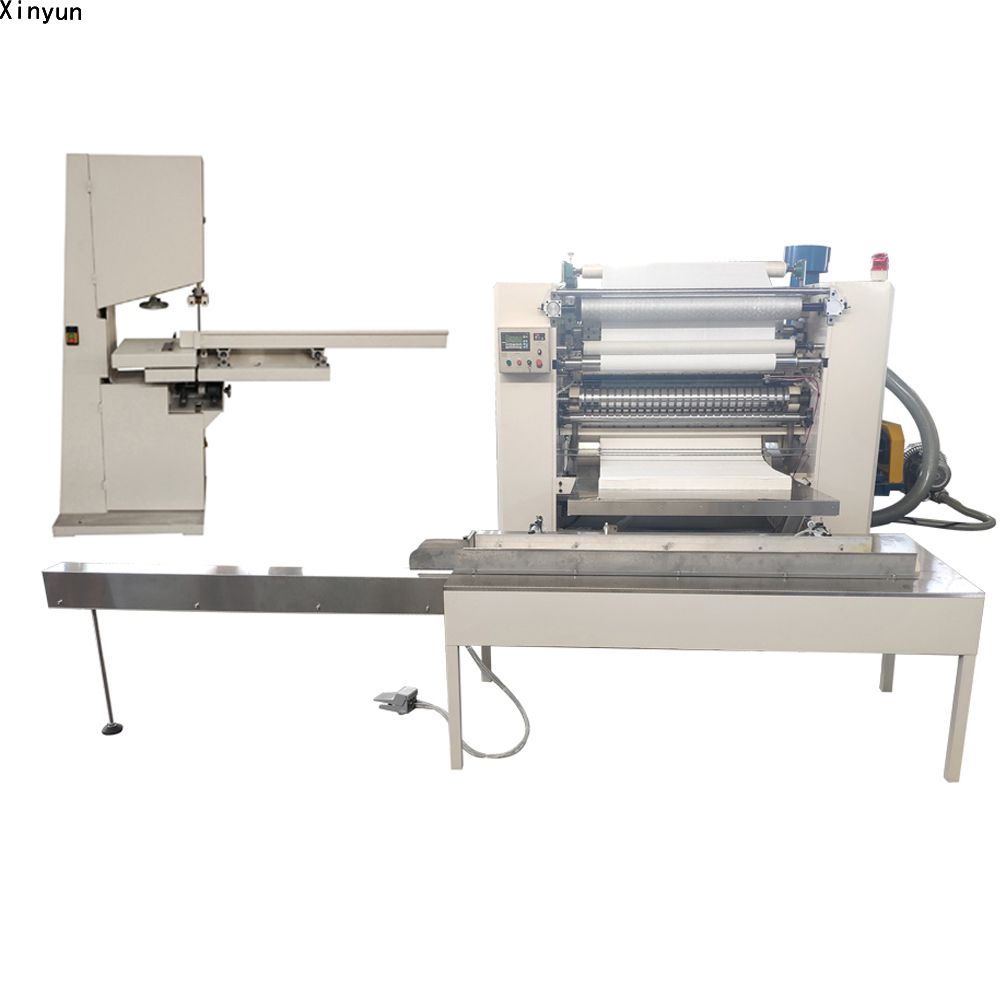
สายการผลิตกระดาษเช็ดมือแบบกึ่งอัตโนมัติมักจะผสมผสานกระบวนการม้วนกลับหรือการขึ้นรูปอัตโนมัติเข้ากับการจัดการด้วยมือในขั้นตอนการตัด การลำเลียง หรือการบรรจุหีบห่อ
สายการผลิตเหล่านี้มักใช้สำหรับ:
กระดาษเช็ดครัว
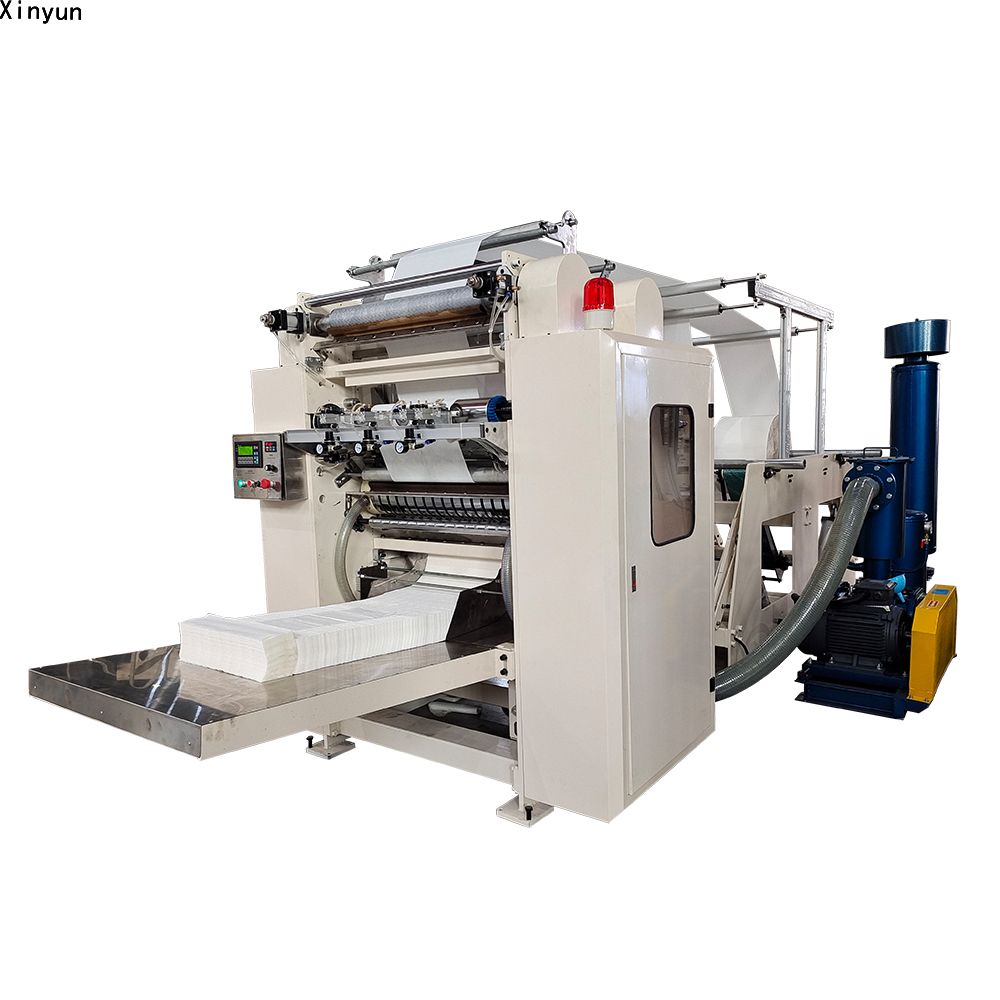
กระดาษเช็ดมือ
การผลิตกระดาษชำระขนาดเล็ก
โรงงานแปรรูปกระดาษทิชชู่สำหรับธุรกิจสตาร์ทอัพ
เมื่อเปรียบเทียบกับระบบอัตโนมัติเต็มรูปแบบ สายการผลิตกึ่งอัตโนมัติโดยทั่วไปต้องการ:
การลงทุนด้านอุปกรณ์ที่ลดลง
การมีส่วนร่วมของแรงงานที่มากขึ้น
การติดตั้งที่ง่ายกว่า
บำรุงรักษาง่ายขึ้น
สำหรับนักลงทุนหน้าใหม่ในธุรกิจกระดาษทิชชู่ การจัดตั้งรูปแบบนี้ช่วยลดความเสี่ยงในการเริ่มต้นธุรกิจได้
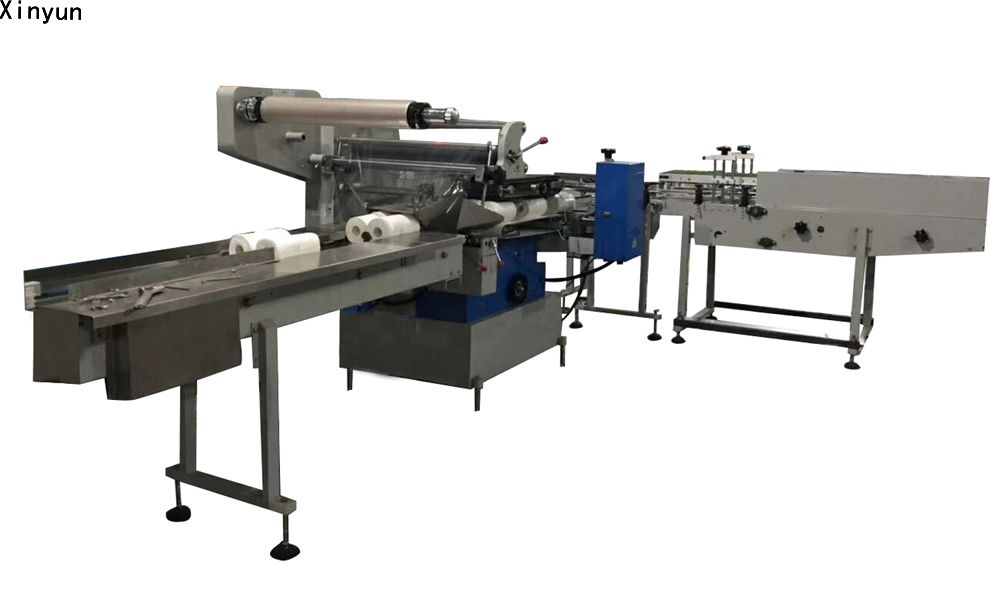
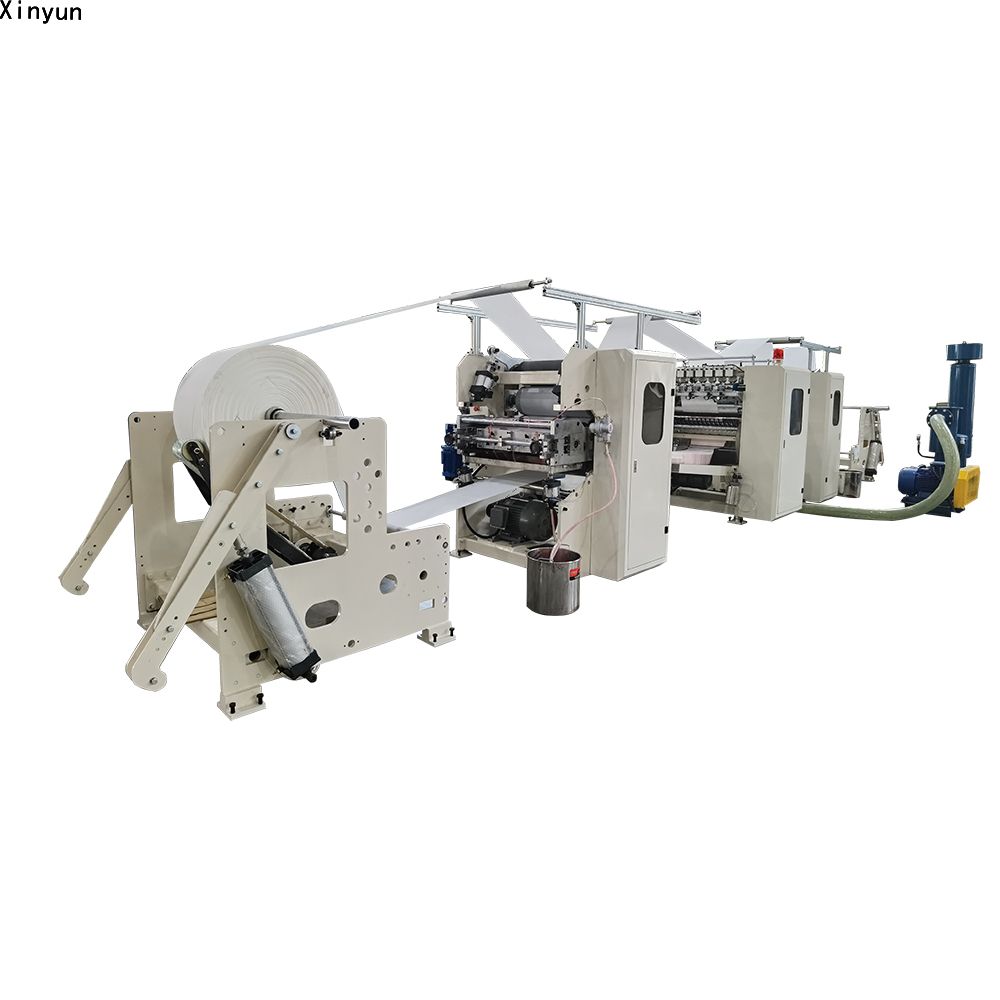
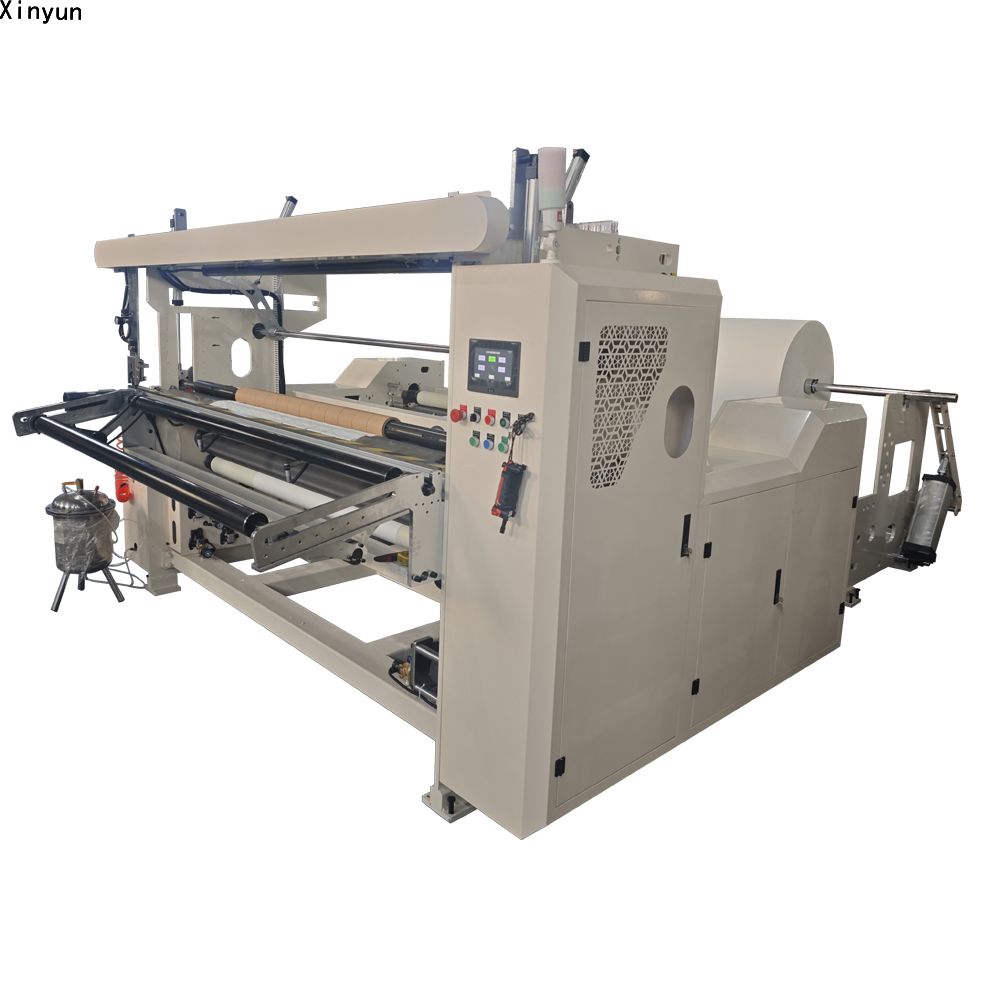
สายการผลิตกระดาษเช็ดมืออัตโนมัติผสานรวมขั้นตอนการผลิตหลายขั้นตอนเข้าไว้ในกระบวนการทำงานต่อเนื่อง
ขึ้นอยู่กับการกำหนดค่า สายสัญญาณอาจประกอบด้วย:
กรอถอยหลังอัตโนมัติ
การปั๊มลายนูนอัตโนมัติ
การเคลือบกาวอัตโนมัติ
การตัดไม้อัตโนมัติ
การลำเลียงอัตโนมัติ
ระบบบรรจุภัณฑ์อัตโนมัติ
ระบบเหล่านี้ได้รับการออกแบบมาเพื่อเพิ่มประสิทธิภาพการผลิตและลดการแทรกแซงด้วยตนเอง
สายการผลิตอัตโนมัติเต็มรูปแบบมักใช้ใน:
ตัวแปลงเนื้อเยื่อขนาดใหญ่
โรงงานที่มุ่งเน้นการส่งออก
ผู้ผลิตที่มีผลผลิตสูง
โรงงานต่างๆ กำลังเผชิญกับต้นทุนแรงงานที่เพิ่มสูงขึ้น
หนึ่งในความแตกต่างที่สำคัญที่สุดคืองบประมาณการลงทุน
โดยทั่วไปแล้ว สายการผลิตแบบกึ่งอัตโนมัติต้องการเงินทุนเริ่มต้นที่ต่ำกว่า ทำให้เหมาะสำหรับ:
โรงงานขนาดเล็ก
นักลงทุนรายใหม่
การพัฒนาตลาด
ธุรกิจต่างๆ กำลังทดสอบความต้องการในท้องถิ่น
สายการผลิตอัตโนมัติต้องใช้เงินลงทุนเริ่มต้นสูงกว่า แต่ให้ประสิทธิภาพการผลิตที่แข็งแกร่งกว่าในระยะยาว
สำหรับลูกค้าจำนวนมาก การตัดสินใจขึ้นอยู่กับการสร้างสมดุลระหว่างงบประมาณระยะสั้นและเป้าหมายการขยายธุรกิจในระยะยาว
ระบบกึ่งอัตโนมัติจำเป็นต้องมีผู้ควบคุมมากขึ้นในระหว่างขั้นตอนต่างๆ ดังนี้:
การขนถ่ายวัสดุ
การถ่ายโอนบันทึก
บรรจุภัณฑ์
การเคลื่อนย้ายผลิตภัณฑ์สำเร็จรูป
ในตลาดที่ต้นทุนแรงงานยังค่อนข้างต่ำ การกระทำเช่นนี้มักเป็นที่ยอมรับได้
อย่างไรก็ตาม ในภูมิภาคที่ต้นทุนแรงงานยังคงเพิ่มสูงขึ้น สายการผลิตอัตโนมัติจะช่วยลดการพึ่งพาการทำงานด้วยมือได้
สายส่งอัตโนมัติมักให้บริการดังต่อไปนี้:
ความเร็วในการวิ่งที่สูงขึ้น
ความสม่ำเสมอในการผลิตที่ดีขึ้น
เวลาหยุดทำงานลดลง
ประสิทธิภาพการบรรจุภัณฑ์ที่เสถียรยิ่งขึ้น
สำหรับโรงงานที่มุ่งเป้าหมายไปที่ห่วงโซ่อุปทานของซูเปอร์มาร์เก็ตหรือตลาดส่งออก การผลิตอัตโนมัติที่มีเสถียรภาพมักมีความสำคัญมากขึ้นเรื่อยๆ
เครื่องจักรแบบกึ่งอัตโนมัติมีโครงสร้างทางกลที่เรียบง่ายกว่าและบำรุงรักษาง่ายกว่า
สิ่งนี้ทำให้พวกมันเป็นที่น่าสนใจสำหรับ:
โรงงานขนาดเล็ก
โรงงานผลิตกระดาษทิชชู่แห่งใหม่
พื้นที่ที่มีทรัพยากรด้านการสนับสนุนทางเทคนิคจำกัด
ระบบอัตโนมัติมีเซ็นเซอร์ ชิ้นส่วนไฟฟ้า และระบบการซิงโครไนซ์มากกว่า จึงต้องการการจัดการทางเทคนิคที่มีประสบการณ์มากกว่า
ในหลายประเทศในทวีปแอฟริกา สายการผลิตกระดาษเช็ดมือแบบกึ่งอัตโนมัติยังคงได้รับความนิยมอย่างมาก
เหตุผลนั้นเป็นเรื่องที่ปฏิบัติได้จริง:
ลดต้นทุนแรงงาน
เงินลงทุนเริ่มต้นที่ต่ำกว่า
ขนาดการผลิตที่ยืดหยุ่น
การฝึกอบรมผู้ปฏิบัติงานที่ง่ายขึ้น
โรงงานสตาร์ทอัพหลายแห่งเริ่มต้นด้วยการซื้อสายการผลิตกึ่งอัตโนมัติก่อน แล้วค่อยอัปเกรดบางส่วน เช่น อุปกรณ์ตัดอัตโนมัติหรืออุปกรณ์บรรจุภัณฑ์ เมื่อการผลิตเริ่มคงที่แล้ว
วิธีการลงทุนแบบค่อยเป็นค่อยไปนี้ช่วยลดแรงกดดันทางการเงินในช่วงเริ่มต้นธุรกิจได้
สายการผลิตอัตโนมัติเหมาะสมยิ่งขึ้นเมื่อโรงงานเผชิญกับปัญหาดังต่อไปนี้:
ความต้องการการผลิตจำนวนมาก
ต้นทุนแรงงานเพิ่มสูงขึ้น
ข้อกำหนดด้านคุณภาพการส่งออก
แผนการขยายตัวในระยะยาว
ข้อกำหนดด้านความสม่ำเสมอของบรรจุภัณฑ์ที่สูงขึ้น
สำหรับโรงงานขนาดใหญ่ ระบบอัตโนมัติยังช่วยปรับปรุงการจัดการการผลิตและลดการพึ่งพาแรงงานในระยะยาวอีกด้วย
ในโครงการจริง ผู้ผลิตกระดาษทิชชูหลายรายไม่ได้อัปเกรดทุกอย่างพร้อมกันในคราวเดียว
แต่ในทางกลับกัน พวกเขาค่อยๆ นำระบบอัตโนมัติมาใช้ในขั้นตอนการผลิตที่สำคัญทีละน้อย
ตัวอย่างเช่น:
เริ่มต้นด้วยการกรอฟิล์มแบบกึ่งอัตโนมัติ
เพิ่มฟังก์ชันตัดไม้ด้วยเลื่อยอัตโนมัติในภายหลัง
อัปเกรดเป็นระบบบรรจุภัณฑ์อัตโนมัติเมื่อการผลิตเติบโตขึ้น
กลยุทธ์การขยายธุรกิจที่ยืดหยุ่นเช่นนี้เป็นเรื่องปกติในธุรกิจกระดาษทิชชูที่กำลังเติบโต
ก่อนซื้ออุปกรณ์ ผู้ผลิตกระดาษทิชชูควรพิจารณาประเด็นสำคัญหลายประการดังนี้:
โดยทั่วไปแล้ว ผลผลิตที่สูงขึ้นมักต้องการระบบอัตโนมัติที่มีเสถียรภาพมากขึ้น
ในตลาดที่มีต้นทุนแรงงานต่ำ ระบบกึ่งอัตโนมัติอาจให้ผลตอบแทนจากการลงทุนที่ดีกว่าในระยะเริ่มต้น
โรงงานที่วางแผนจะขยายกิจการอย่างรวดเร็ว มักจะเลือกใช้ระบบอัตโนมัติตั้งแต่แรกเริ่ม
ตลาดค้าปลีกและตลาดส่งออกมักต้องการบรรจุภัณฑ์และคุณภาพสินค้าที่สม่ำเสมอกว่า
ไม่มีคำตอบที่ตายตัวว่าการผลิตกระดาษเช็ดมือแบบอัตโนมัติหรือแบบกึ่งอัตโนมัติแบบไหนดีกว่ากัน
ตัวเลือกที่ดีที่สุดขึ้นอยู่กับ:
สภาพตลาด
งบประมาณ
สถานการณ์แรงงาน
เป้าหมายการผลิต
กลยุทธ์การขยายตัว
สำหรับผู้ผลิตกระดาษทิชชู่จำนวนมาก การลงทุนที่ประสบความสำเร็จมากที่สุดไม่ใช่การลงทุนในสายการผลิตที่มีราคาแพงที่สุด แต่เป็นการลงทุนที่ตรงกับความต้องการทางธุรกิจที่แท้จริงและสภาพการดำเนินงานในท้องถิ่น
ไม่ว่าคุณจะวางแผนเริ่มต้นโรงงานผลิตกระดาษทิชชู่ หรือขยายสายการผลิตที่มีอยู่ การเลือกใช้ระบบการผลิตกระดาษเช็ดมือที่เหมาะสมตั้งแต่เนิ่นๆ จะช่วยเพิ่มประสิทธิภาพการผลิตและความมั่นคงในการลงทุนในระยะยาวได้
ใช่แล้ว โรงงานสตาร์ทอัพหลายแห่งเลือกใช้ระบบกึ่งอัตโนมัติเพราะใช้เงินลงทุนต่ำกว่า และใช้งานและบำรุงรักษาได้ง่ายกว่า
ใช่แล้ว ลูกค้าจำนวนมากทยอยเพิ่มระบบตัดอัตโนมัติ ระบบลำเลียง หรือระบบบรรจุภัณฑ์อัตโนมัติเมื่อความต้องการในการผลิตเพิ่มขึ้น
สายการผลิตอัตโนมัติโดยทั่วไปช่วยลดความต้องการแรงงานในระยะยาว โดยเฉพาะในตลาดที่มีต้นทุนแรงงานสูง
ระบบกึ่งอัตโนมัติยังคงใช้กันอย่างแพร่หลายในตลาดแอฟริกาหลายแห่ง เนื่องจากมีต้นทุนเริ่มต้นต่ำและมีความยืดหยุ่นในการดำเนินงานด้านการผลิต
ใช่ค่ะ เราให้บริการผลิตกระดาษเช็ดมือแบบกำหนดเอง โดยพิจารณาจากขนาดโรงงาน กำลังการผลิต ความต้องการด้านระบบอัตโนมัติ และสภาวะตลาดในท้องถิ่น
การใช้งานเว็บไซต์ต่อไปนี้ถือว่าคุณยอมรับนโยบายความเป็นส่วนตัว ของ เรา