 + 86-18750595100








Hak cipta © 2025 Fujian Xinyun Machinery Development Co.,Ltd. Semua hak dilindungi undang-undang. Peta Situs


Waktu: 2026-08-14
Choosing between automatic and semi-automatic tissue paper machines decides how much labor, floor space, and capital a production line requires. This article compares the two configurations on labor, output, investment, and maintenance so buyers can match automation to real demand. Xinyun Machinery has built both types of lines for customers in Africa, South America, and the Middle East, and outlines the trade-offs below.
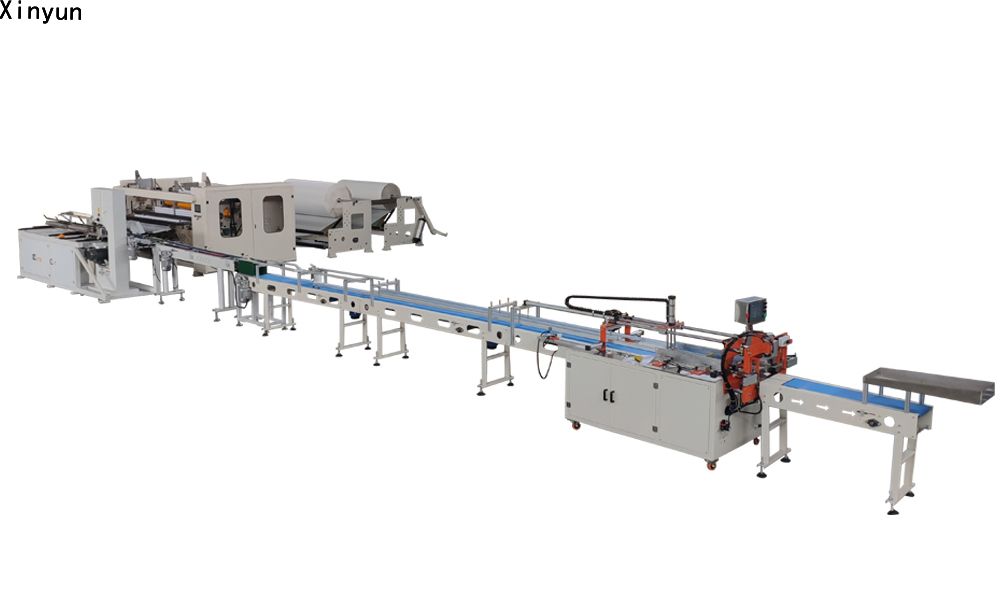
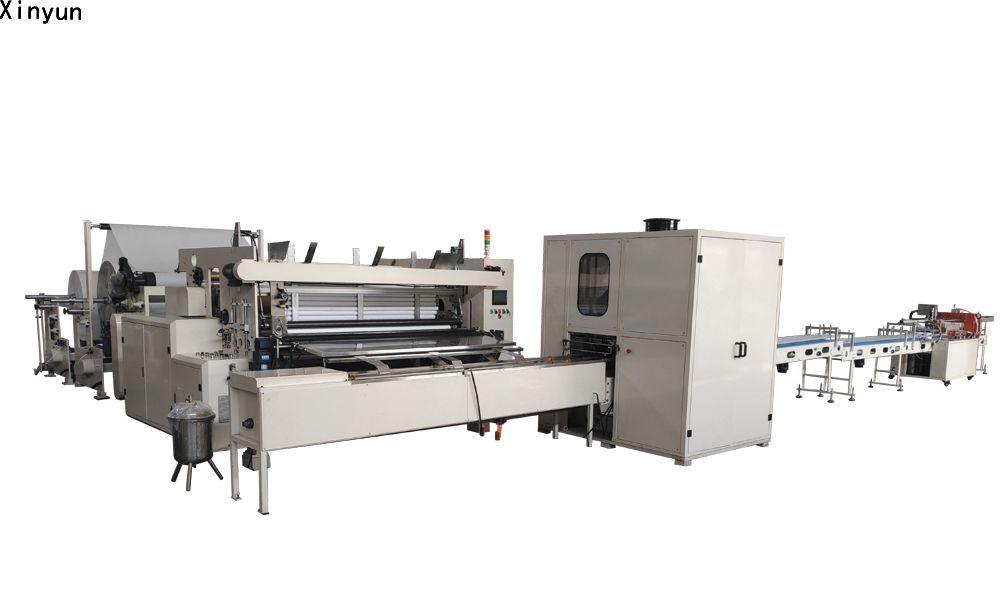
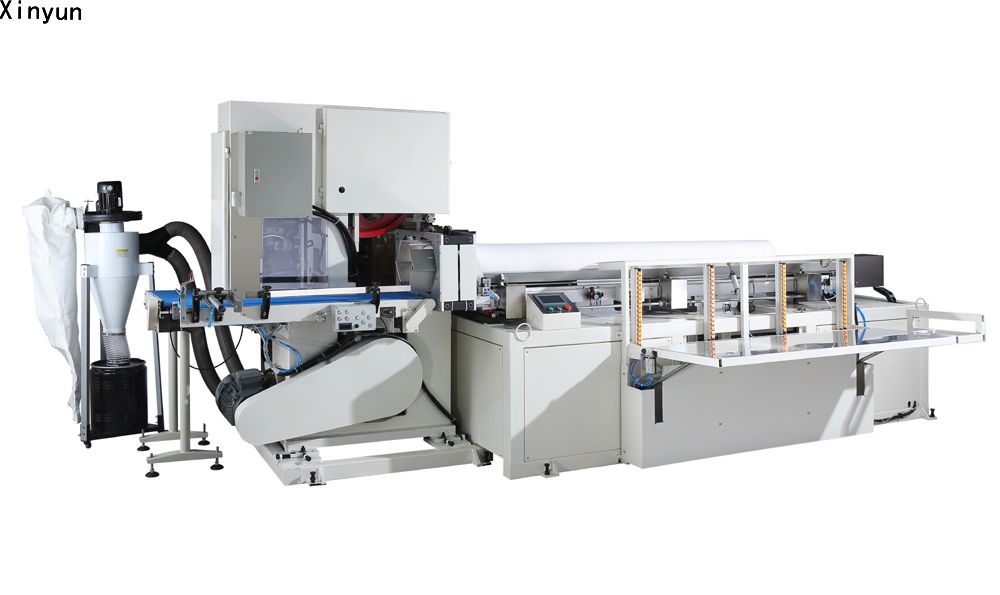
Otomatis mesin kertas tisu performs rewinding, cutting, and packing with minimal operator input through PLC and servo controls. A semi-automatic line requires operators to load, transfer, or pack intermediate products at one or more stations. The difference shows up most clearly in labor count, consistency, and the price of the line.
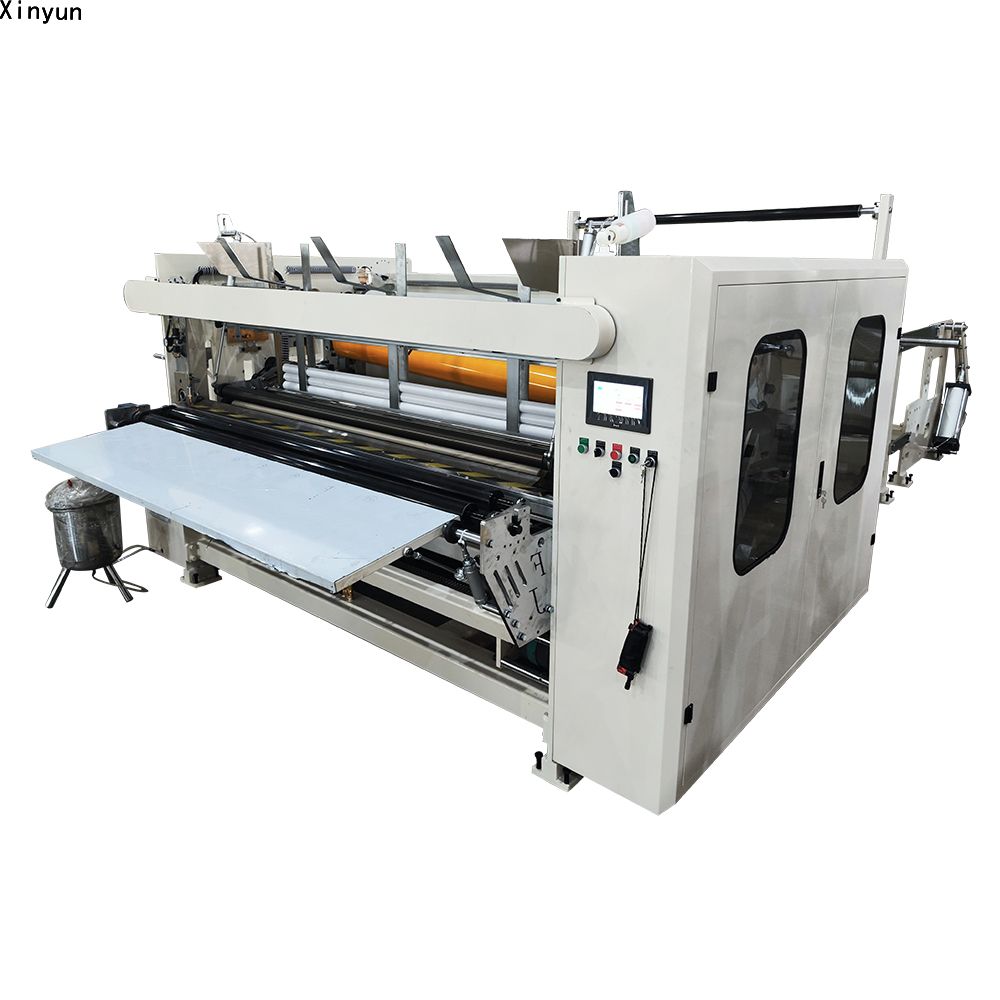
An automatic line links the rewinder, log saw, and packer into one synchronized flow with sensors that reject defects. A semi-automatic line runs each stage separately, often with manual log transfer between the cutter and the packer. Automatic control reduces human error but raises the technical skill needed for troubleshooting.
XY-TQ-B mesin tisu toilet, an automatic model, operates at up to approximately 180 to 230 meters per minute. Small businesses in Africa typically run machines in the 100 to 180 meters per minute range, which semi-automatic lines also reach with enough operators. Automatic lines hold that speed steadily, while semi-automatic output drops when manual stations become the bottleneck.
A semi-automatic line needs 3 to 5 operators per shift to feed, transfer, and pack products by hand. An automatic line runs with 1 to 2 operators who monitor the control panel and handle exceptions. In markets with low labor cost, semi-automatic lines look cheaper per worker, but shift coverage and absenteeism still add hidden hours.
Semi-automatic lines are easier to learn because each station is a simple manual task. Automatic lines need an operator who understands PLC alarms, tension settings, and basic servo adjustment. Xinyun Machinery provides training so buyers can run automatic lines without hiring external engineers.
Semi-automatic lines struggle to keep output through a second shift because manual fatigue lowers speed. Automatic lines maintain rated speed across shifts, which matters when demand exceeds 2 tons per day. Plan labor cost as a monthly total, not just headcount, before comparing the two options.
A complete small tissue line costs between USD 15,000 and USD 50,000 including the rewinding machine, log saw cutting machine, and packing machine. Automatic lines sit at the upper end of that range because of the control system and integrated packer. The higher price is offset by lower labor cost once daily output passes 2 tons.
An entry-level semi-automatic line produces 1 to 2 tons of finished product per day within the lower part of the USD 15,000 to 50,000 budget. Upgrading to a wider automatic line raises capacity to around 5 tons per day. The wider automatic line costs more upfront but saves operator wages every month.
A semi-automatic line pays back faster only when labor is very cheap and volume stays low. An automatic line pays back through labor savings and lower reject rate once volume grows. Xinyun advises buyers to model three years of labor cost, not just the machine price, before deciding.
Automatic lines need scheduled electrical and sensor checks that semi-automatic lines avoid. Both types share mechanical wear items such as the perforation blade and the rewinding rollers. A worn perforation blade after 200 to 300 hours of operation causes uneven tear lines and customer complaints.
The perforation blade should be replaced every 3 months to keep tear quality consistent. Rewinding tension set incorrectly causes paper tearing that cuts efficiency by 15% to 30%. These costs apply to both automatic and semi-automatic lines, so they do not change the comparison.
Semi-automatic lines are easier to repair with local mechanical workshops because parts are simple. Automatic lines need supplier support or trained staff for the control system. Confirm spare parts supply and Xinyun's remote support before buying an automatic line in a remote location.
Match the automation level to daily tonnage, not to the available budget alone. Under 2 tons per day, a semi-automatic line keeps risk and cost low. Above 2 tons per day, an automatic line protects margin through labor savings and stable speed.
A semi-automatic line fits a new brand serving a 50 to 100 kilometer local radius. The lower capital outlay protects cash flow during the first year. Parent roll widths from 1200 to 2800 mm fit a compact startup workshop under 100 square meters.
An automatic line becomes the better choice as volume approaches 5 tons per day. Stable speed near 180 to 230 meters per minute covers larger distribution without adding night shifts. The labor saving pays for the control system within the payback period.
Large operations need automatic lines with wider parent roll widths up to 2800 mm and workshops above 300 square meters. Manual stations cannot sustain this output without unacceptable labor cost. Automatic integration also improves pack consistency for supermarket and export contracts.
Automatic and semi-automatic tissue machines differ mainly in labor, consistency, and upfront price rather than in product quality. Semi-automatic lines suit beginners under 2 tons per day; automatic lines suit growing operations above that threshold. Both share the same wear items and the USD 15,000 to 50,000 small-line budget range, with parent roll widths spanning 1200 to 2800 mm.
Xinyun offers the Mesin Pembuat Kertas Toilet category covering XY-TQ-B automatic lines, and the Mesin Kertas Tisu category for broader tissue configurations. The XY-TQ-B Toilet Paper Machine product page details an automatic line with parent roll width from 1200 to 2800 mm.
Contact Xinyun Machinery for a customized quote and production line proposal tailored to your market. Share your target daily output and labor situation, and we will recommend automatic or semi-automatic equipment with installation support. Get your machine price today.
Dengan terus menggunakan situs ini, Anda menyetujui kebijakan privasi kami.